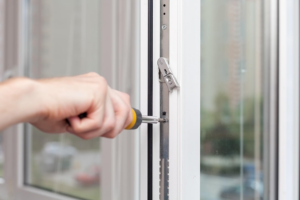
The Essentials of House Lock Repair: Ensuring Home Security and Convenience
In the realm of home upkeep, the significance of a well-functioning lock can not be overstated. Locks serve as the very first line of defense against trespassers and unauthorized access, guaranteeing the safety and security of property owners and their ownerships. However, locks, like any other mechanical device, can use out, breakdown, or become harmed over time. When this takes place, it's important to address the issue immediately to avoid possible security breaches and the inconvenience of being locked out of one's own home. This post dives into the important aspects of house lock repair, offering property owners with the knowledge and tools they require to preserve and restore their locks effectively.
Understanding Common Lock Issues
Before diving into the repair process, it's crucial to recognize the typical concerns that can occur with home locks. Identifying repairmywindowsanddoors.co.uk is the initial step towards a successful repair. Here are a few of the most frequent lock-related problems:
Key Sticking or Jamming:
- Cause: Dirt, debris, or wear and tear can cause keys to stick or jam in the lock.
- Option: Lubricate the lock with graphite powder or a silicone-based lubricant. If the issue continues, the lock might require to be dismantled and cleaned.
Lock Not Turning:
- Cause: This can be due to a misalignment of the lock's internal elements, such as the cylinder or tumblers.
- Option: Use a lube to maximize the mechanism. If this does not work, the lock might require to be replaced or repaired by an expert.
Lock Not Engaging:
- Cause: The lock's deadbolt or latch might not be lining up effectively with the strike plate.
- Option: Check the positioning of the strike plate and the lock. Change the strike plate if necessary, or tighten up the screws on the lock.
Lock Broken or Damaged:
- Cause: Physical damage from required entry or wear can trigger a lock to break.
- Option: Replace the damaged lock. If the lock becomes part of a bigger security system, seek advice from a professional locksmith professional to make sure compatibility and security.
Secret Not Fitting:
- Cause: The key may be used out, or the lock's keyway might be harmed.
- Option: Have the essential re-cut by an expert locksmith professional or replace the lock.
Do It Yourself Lock Repair Tips
For small concerns, house owners can often handle the repair themselves. Here are some detailed guides for common DIY lock repairs:
Lubricating a Sticking Lock:
- Materials Needed: Graphite powder or a silicone-based lubricant, a little brush or cylinder.
- Steps:
- Insert the key and turn it backward and forward several times to loosen up any particles.
- Use a little amount of lubricant directly into the keyhole.
- Work the key in and out of the lock to disperse the lube.
- Clean off any excess lubricant with a tidy fabric.
Adjusting the Strike Plate:
- Materials Needed: Screwdriver, drill, and an utility knife.
- Steps:
- Close the door and observe the gap in between the deadbolt and the strike plate.
- If the gap is too large or too little, loosen up the screws on the strike plate.
- Change the position of the strike plate to align with the deadbolt.
- Re-tighten the screws and evaluate the lock to guarantee it engages correctly.
Cleaning a Dirty Lock:
- Materials Needed: Compressed air, a small brush, and a cleansing option.
- Actions:
- Use compressed air to blow out any dirt or particles from the keyhole.
- Dip a small brush in a cleaning option and carefully clean the keyhole.
- Rinse the lock with water and dry it completely.
- Use a lube to the clean keyhole.
Replacing a Broken Lock:
- Materials Needed: New lock, screwdriver, and drill.
- Actions:
- Remove the screws that hold the lock to the door.
- Thoroughly pull the lock out of the door.
- Install the brand-new lock, following the manufacturer's directions.
- Check the brand-new lock to guarantee it operates smoothly.
When to Call a Professional
While many lock issues can be addressed with DIY options, some issues need the expertise of a professional locksmith. Here are a few circumstances where professional support is recommended:
Complex Lock Mechanisms:
- High-security locks and electronic locks often have intricate systems that are best dealt with by experts.
Locks That Won't Open:
- If a lock is completely frozen or a key breaks off within, a locksmith professional can draw out the damaged key and repair or replace the lock.
Rekeying the Lock:
- Rekeying a lock to fit a brand-new key is a specialized job that a locksmith can perform efficiently.
Customized Security Solutions:
- For homeowners looking to upgrade their security with custom locks or advanced systems, a professional locksmith professional can offer customized guidance and installation services.
Maintenance to Prevent Future Issues
Routine upkeep can significantly extend the life of your home locks and avoid many common problems. Here are some tips for maintaining your locks:
Lubricate Regularly:
- Apply a thin layer of lube to the lock's keyway every few months to keep it moving efficiently.
Keep Locks Clean:
- Use a soft fabric to clean down the lock and keyway to remove dirt and gunk.
Look for Wear:
- Inspect the lock and key for indications of wear, such as scratches or damages. Replace used parts to prevent malfunctions.
Test the Lock:
- Periodically check the lock's operation. If you notice any tightness or problem, attend to the issue quickly.
Monitor the Weather:
- Extreme weather can affect lock performance. Apply weatherproofing products to outdoor locks to safeguard them from the aspects.
Frequently asked questions
Q: How often should I oil my house locks?
- A: It's a good idea to oil your locks every 3 to 6 months, depending on usage and environmental elements. High-traffic locks or those exposed to harsh weather may require more frequent lubrication.
Q: Can I use WD-40 to lubricate my locks?
- A: While WD-40 can help clean and lubricate locks briefly, it's not the very best choice for long-term usage. Graphite powder or a silicone-based lube is more effective and less likely to bring in dirt and debris.
Q: What should I do if my essential breaks off in the lock?
- A: If a crucial breaks off in the lock, do not attempt to eliminate it yourself, as this can worsen the issue. Call an expert locksmith professional who has the tools and expertise to draw out the damaged key securely.
Q: How can I inform if my lock needs to be replaced?
- A: Signs that a lock requirements replacement include difficulty in turning the secret, a secret that no longer fits, visible damage to the lock, or frequent sticking. If you notice any of these issues, it's time to think about a new lock.
Q: Are there any tools I should keep on hand for lock maintenance?
- A: A fundamental toolkit for lock maintenance must include a screwdriver, a canister of graphite powder or silicone lubricant, a small brush, and an energy knife. For more sophisticated jobs, a crucial cutting device and lock choices may be helpful.
House lock repair is a vital element of home upkeep that makes sure the safety and convenience of property owners. By comprehending common lock problems, following DIY repair tips, and understanding when to call an expert, property owners can keep their locks in optimal condition. Routine maintenance and prompt repairs can prevent small issues from intensifying into significant security concerns. Whether you're a DIY enthusiast or choose expert help, taking care of your locks is an essential action in securing your home and loved ones.
By remaining notified and proactive, property owners can take pleasure in the assurance that comes with understanding their locks are reputable and safe.